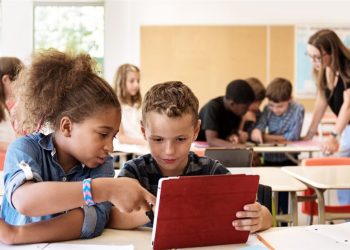
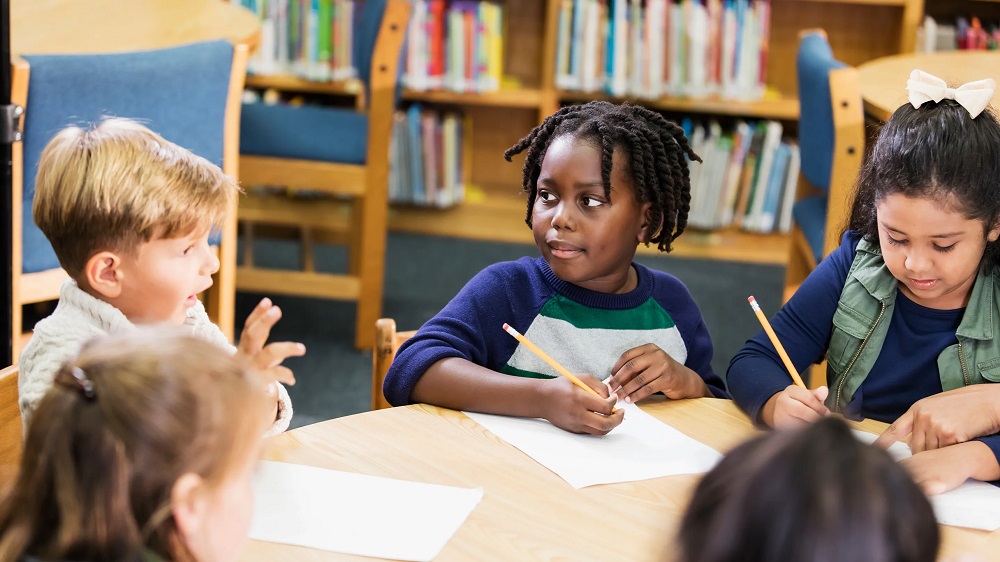
Education is a continuous process of learning that shapes an individual’s intellect, character, and capabilities. It enables people to understand the world around them, make informed decisions, and contribute meaningfully to society. Beyond academic knowledge, education nurtures values, creativity, discipline, and problem-solving skills essential for life.
Types of Education
Education exists in different forms, each serving a unique purpose in human development.
Formal Education
Formal education follows a structured system delivered through schools, colleges, and universities. It focuses on academic learning, assessments, and certifications that prepare learners for professional careers.
Informal Education
Informal education occurs naturally through daily interactions, family guidance, cultural traditions, and personal experiences. Though unstructured, it plays a vital role in shaping behavior and social skills.
Non-Formal Education
Non-formal education includes vocational training, skill-development programs, and workshops. It supports lifelong learning and helps individuals adapt to changing job markets.
Importance of Education
Education is a fundamental driver of progress at both personal and societal levels.
-
Empowers individuals by improving confidence, independence, and decision-making abilities
-
Promotes economic growth through skilled and knowledgeable workforces
-
Encourages social equality by creating opportunities regardless of background
-
Strengthens democracy by fostering informed and responsible citizens
An educated society is better equipped to address challenges such as poverty, health issues, and environmental concerns.
Role of Education in Personal Development
Education contributes significantly to personal growth by enhancing intellectual and emotional capacities. It helps individuals discover their interests, develop ethical values, and build resilience. Through education, people learn to think critically, communicate effectively, and adapt to change.
Education and Technology
Technology has transformed the way education is delivered and accessed. Digital tools, online platforms, and virtual classrooms have expanded learning opportunities beyond physical boundaries. Modern education now emphasizes digital literacy, collaboration, and innovation, preparing learners for a technology-driven world.
Challenges Facing Education Systems
Despite its importance, education systems worldwide face several challenges.
-
Limited access to quality education in remote and underdeveloped regions
-
Inequality due to socioeconomic barriers
-
Outdated curricula that fail to meet modern workforce needs
-
Shortage of trained educators and learning resources
Addressing these challenges requires coordinated efforts from governments, institutions, and communities.
The Future of Education
The future of education is centered on flexibility, inclusivity, and lifelong learning. Personalized learning paths, skill-based education, and the integration of artificial intelligence are expected to redefine how knowledge is acquired and applied. Education will increasingly focus on preparing learners for jobs that do not yet exist, emphasizing adaptability and continuous growth.
Conclusion
Education remains one of the most powerful tools for transforming lives and societies. By promoting knowledge, values, and skills, it enables individuals to achieve personal fulfillment and contributes to sustainable development. Investing in education is not merely an option but a necessity for a balanced and progressive world.
Frequently Asked Questions (FAQs)
1. Why is education considered a lifelong process?
Education continues throughout life as individuals constantly learn from experiences, work environments, and changing social conditions.
2. How does education contribute to economic development?
Education creates skilled workers, boosts productivity, and encourages innovation, leading to stronger economies.
3. What is the difference between formal and non-formal education?
Formal education follows structured academic systems, while non-formal education focuses on skill development outside traditional classrooms.
4. Can technology replace traditional education systems?
Technology enhances education but cannot fully replace human interaction, mentorship, and critical thinking development.
5. How does education promote social equality?
Education provides equal learning opportunities, helping individuals overcome social and economic disadvantages.
6. What skills will future education focus on most?
Future education will emphasize critical thinking, digital skills, creativity, communication, and adaptability.
7. How can education systems become more inclusive?
Inclusivity can be improved by expanding access, updating curricula, supporting teachers, and using technology to reach diverse learners.