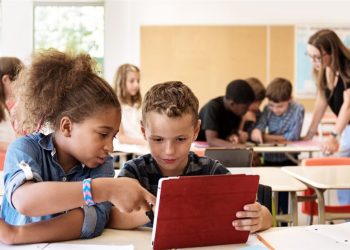

Education is the cornerstone of personal growth, social development, and economic advancement. Its influence extends far beyond the classroom, shaping individuals’ skills, perspectives, and opportunities. The keyword education plays a central role in understanding how structured learning systems impact society, technology, and the global workforce.
Historical Evolution of Education
Early Learning Systems
Education has evolved over millennia. Ancient civilizations, including Mesopotamia, Egypt, and Greece, laid the foundations for organized learning. Early education focused on literacy, numeracy, and civic responsibility. In these societies, education was often a privilege reserved for elites, yet it set the groundwork for societal structures based on knowledge and skill.
Medieval and Renaissance Education
During the medieval period, education became closely tied to religious institutions. Monasteries and cathedrals preserved and disseminated knowledge through scriptoria and informal teaching. The Renaissance ushered in a humanistic approach, emphasizing critical thinking, arts, and sciences. This era highlighted the value of education not only for vocational purposes but also for intellectual enrichment.
Industrial Revolution and Mass Education
The Industrial Revolution marked a pivotal turning point, necessitating mass education to meet the demands of emerging industries. Public schooling systems were established to provide literacy, numeracy, and technical skills to a broader population. Compulsory education laws across various countries ensured that children acquired basic knowledge and societal values.
The Role of Education in Society
Economic Development
Education is a key driver of economic growth. A skilled and educated workforce increases productivity, fosters innovation, and enhances competitiveness. Countries with strong education systems typically experience higher GDP growth rates, lower unemployment, and improved standards of living. Investment in education is directly linked to the development of human capital and national prosperity.
Social Cohesion and Equity
Education fosters social cohesion by promoting shared knowledge, cultural understanding, and civic responsibility. Inclusive education systems aim to bridge societal gaps, offering opportunities to marginalized populations. Through equitable access to learning, societies can reduce poverty, improve health outcomes, and empower communities.
Civic Engagement
Educated individuals are more likely to participate in democratic processes, understand governance structures, and engage in community initiatives. Education enhances critical thinking, allowing citizens to make informed decisions, hold leaders accountable, and contribute meaningfully to societal development.
Modern Trends in Education
Digital Learning and EdTech
The rise of technology has transformed education delivery. Digital learning platforms and educational technology (EdTech) tools have made knowledge more accessible than ever. Key innovations include:
- Online courses and virtual classrooms, offering flexibility and convenience.
- Adaptive learning systems, which personalize content based on student performance.
- Gamification, making learning interactive and engaging.
These tools expand opportunities for lifelong learning and enable global collaboration among students and educators.
STEM and STEAM Education
STEM (Science, Technology, Engineering, and Mathematics) education emphasizes analytical and technical skills critical for modern industries. Integrating arts (STEAM) fosters creativity and problem-solving, producing well-rounded graduates capable of innovative thinking.
Inclusive and Special Education
Inclusive education ensures that learners with diverse abilities have access to quality instruction. Special education strategies, individualized learning plans, and assistive technologies support students with disabilities, promoting equity and maximizing potential.
Lifelong Learning and Professional Development
In a rapidly evolving job market, continuous learning is essential. Professionals engage in certifications, workshops, and online courses to stay updated with industry trends. Lifelong learning strengthens adaptability and resilience in the face of technological and economic change.
Challenges Facing Education Today
Socioeconomic Disparities
Despite progress, significant gaps in educational access persist. Low-income communities often face underfunded schools, limited resources, and lower-quality instruction. Bridging these disparities requires targeted policies, equitable funding, and community engagement.
Teacher Shortages and Training
Qualified educators are critical to quality learning experiences. Teacher shortages, inadequate professional development, and burnout threaten education quality. Investment in training programs, competitive compensation, and supportive working conditions is essential to sustain effective teaching.
Balancing Technology and Human Interaction
While EdTech offers benefits, overreliance on digital learning can reduce human interaction, social skill development, and critical thinking. Blended learning models that combine technology with in-person guidance are emerging as effective solutions.
Adapting Curricula to Global Needs
Rapid technological and societal shifts demand curricula that prepare students for the future. Emphasis on critical thinking, digital literacy, environmental awareness, and global citizenship ensures that education remains relevant and impactful.
Impact of Education on Personal Development
Cognitive and Emotional Growth
Education shapes cognitive abilities, enhancing problem-solving, reasoning, and creativity. Emotional intelligence, empathy, and resilience are also cultivated through collaborative learning, exposure to diverse perspectives, and engagement with challenging ideas.
Career Opportunities and Mobility
Education significantly influences career trajectories. Higher levels of education correlate with increased employability, higher income potential, and opportunities for advancement. Vocational and technical education pathways provide practical skills for specialized careers, complementing traditional academic routes.
Health and Wellbeing
Educational attainment is closely linked to improved health outcomes. Educated individuals are more likely to make informed lifestyle choices, access healthcare services, and advocate for personal and community wellbeing. Schools also serve as platforms for promoting mental health, nutrition, and social development.
Global Perspectives on Education
Education in Developed Economies
Developed nations invest heavily in education infrastructure, research, and innovation. Focus areas include STEM education, digital literacy, and global competency skills. These countries often lead in producing highly skilled workforces, driving technological and economic advancements.
Education in Developing Economies
In developing regions, access to quality education remains a critical challenge. International initiatives, government programs, and non-governmental organizations work to expand enrollment, improve teacher training, and provide learning materials. Education in these contexts is vital for breaking cycles of poverty and fostering sustainable development.
International Collaboration
Global collaboration in education includes student exchange programs, joint research projects, and online learning communities. Such initiatives enhance cross-cultural understanding, knowledge sharing, and the development of globally competent graduates.
The Future of Education
AI and Personalized Learning
Artificial intelligence is reshaping educational methodologies. AI-driven platforms provide personalized content, identify learning gaps, and offer real-time feedback. These tools empower students to learn at their own pace while supporting teachers in curriculum planning and assessment.
Sustainability Education
As environmental challenges intensify, sustainability education is gaining prominence. Curriculum integration of climate science, renewable energy, and environmental stewardship prepares students to address global issues and promote sustainable practices.
Hybrid and Experiential Learning
Hybrid models combining in-person and online instruction create flexible learning environments. Experiential learning, including internships, service projects, and hands-on workshops, reinforces theoretical knowledge and develops practical skills.
FAQs About Education
What are the key benefits of education beyond academics?
Education develops critical thinking, emotional intelligence, civic responsibility, and career readiness. It also enhances social skills and overall wellbeing.
How is technology changing education?
Technology enables personalized learning, digital collaboration, interactive content, and access to global knowledge resources. It supports lifelong learning and adaptive teaching strategies.
What role does education play in economic growth?
Education creates a skilled workforce, fosters innovation, improves productivity, and supports entrepreneurship, all of which contribute to national and global economic development.
How can educational disparities be addressed?
Policies that provide equitable funding, improve teacher training, expand access to technology, and support inclusive education help reduce disparities.
What is lifelong learning, and why is it important?
Lifelong learning involves continuous skill development and knowledge acquisition. It enables individuals to adapt to evolving industries, maintain employability, and pursue personal growth throughout their lives.
How does education influence social change?
Education promotes equality, empowers marginalized groups, encourages civic participation, and cultivates global citizenship, driving meaningful societal transformation.
Education is not merely a tool for acquiring knowledge; it is a transformative force that shapes individuals, communities, and societies. Its evolution, challenges, and future trends reflect its central role in addressing global issues, fostering innovation, and preparing humanity for the complexities of the modern world.