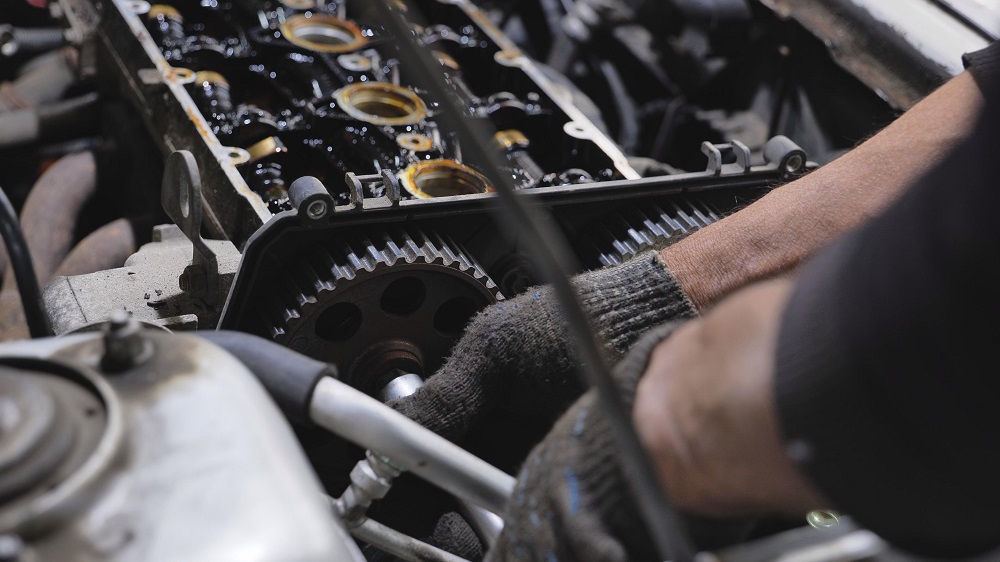
A car engine is the heart of your vehicle. When properly maintained, it can last well beyond 200,000 kilometers or more. Unfortunately, many engines fail early because of poor maintenance habits, delayed servicing, or careless driving.
Taking care of your engine doesn’t require complicated mechanical skills. A few simple and consistent maintenance practices can significantly extend its lifespan, improve performance, and save thousands in repair costs.
Below are the most effective ways to keep your engine running smoothly for years.
1. Change Engine Oil Regularly
Engine oil acts as the lubrication system of the engine, reducing friction between moving parts and preventing overheating.
Over time, oil becomes dirty and loses its effectiveness.
Best practices:
- Change engine oil every 5,000–10,000 km depending on your vehicle.
- Always use the recommended oil grade mentioned in the owner’s manual.
- Replace the oil filter during every oil change.
- Check the oil level once every two weeks.
Fresh oil ensures smoother operation and prevents premature wear of internal engine components.
2. Maintain the Cooling System
Engines generate a large amount of heat while running. The cooling system regulates engine temperature and prevents overheating.
If the cooling system fails, it can lead to severe engine damage.
Important maintenance tips:
- Regularly check coolant levels.
- Flush the radiator every 40,000–60,000 km.
- Inspect hoses for leaks or cracks.
- Ensure the radiator fan works properly.
A healthy cooling system keeps the engine operating at the correct temperature.
3. Replace Air Filters on Time
Air filters prevent dust and debris from entering the engine.
A clogged air filter reduces airflow, forcing the engine to work harder and lowering fuel efficiency.
Recommended maintenance:
- Replace the air filter every 12,000–15,000 km.
- Check it more frequently in dusty environments.
- Ensure the filter housing is sealed properly.
Clean airflow improves combustion and engine performance.
4. Warm Up the Engine Before Driving
Starting a cold engine and accelerating immediately can cause unnecessary stress on engine parts.
Allowing the engine to warm up helps oil circulate properly.
Good practice:
- Let the engine idle for 30–60 seconds before driving.
- Drive gently during the first few minutes.
This small habit helps reduce long-term engine wear.
5. Drive Smoothly and Avoid Aggressive Driving
Your driving style plays a major role in engine longevity.
Frequent hard acceleration, sudden braking, and high-RPM driving increase stress on engine components.
Tips for smooth driving:
- Accelerate gradually.
- Maintain steady speeds.
- Avoid redlining the engine.
- Shift gears smoothly in manual cars.
Smooth driving reduces strain on the engine and improves fuel efficiency.
6. Use High-Quality Fuel
Low-quality fuel can cause carbon deposits inside the engine, which reduces efficiency and performance.
To protect your engine:
- Fill fuel at reputable fuel stations.
- Use the recommended fuel type (petrol or diesel grade).
- Occasionally use fuel system cleaners if recommended.
Clean fuel helps maintain proper combustion and engine health.
7. Replace Spark Plugs When Needed
Spark plugs ignite the air-fuel mixture inside the engine. Worn spark plugs cause misfires, rough idling, and reduced power.
Maintenance guidelines:
- Replace spark plugs every 30,000–50,000 km.
- Use the correct spark plug type for your engine.
- Check ignition coils during replacement.
Healthy spark plugs improve engine efficiency and reduce stress on internal components.
8. Avoid Running on Low Fuel
Driving frequently with a nearly empty fuel tank can damage the engine over time.
Sediments from the bottom of the tank can enter the fuel system.
Best practice:
- Keep the fuel tank at least one-quarter full.
- Replace the fuel filter periodically.
This protects the fuel pump and injectors.
9. Follow the Manufacturer’s Service Schedule
Every vehicle comes with a recommended maintenance schedule provided by the manufacturer.
Following this schedule ensures that all critical components are inspected and replaced at the right time.
Typical scheduled services include:
- Oil and filter replacement
- Timing belt inspection
- Coolant replacement
- Fuel system cleaning
- Engine diagnostics
Routine servicing is the most reliable way to extend engine life.
10. Keep the Engine Clean
A dirty engine bay can hide leaks and cause overheating.
Regular cleaning helps identify issues early.
Engine cleaning tips:
- Remove dust and debris periodically.
- Check for oil or coolant leaks.
- Avoid spraying water directly on electrical components.
A clean engine is easier to inspect and maintain.
Final Thoughts
Extending the life of your car engine is mainly about consistent care and responsible driving habits. Regular oil changes, timely servicing, and smooth driving can significantly increase engine longevity.
When these practices become routine, your engine will remain reliable, efficient, and powerful for many years.
Frequently Asked Questions (FAQs)
1. How long does a typical car engine last?
Most modern car engines last 200,000–300,000 km with proper maintenance. Some well-maintained engines can exceed this range.
2. What are the signs that an engine needs maintenance?
Common signs include engine knocking, poor fuel economy, overheating, rough idling, and warning lights on the dashboard.
3. Does frequent short driving damage the engine?
Yes. Short trips prevent the engine from reaching optimal temperature, which can cause oil contamination and increased wear.
4. Is synthetic oil better for engine life?
Synthetic oil generally provides better lubrication, improved temperature stability, and longer service intervals, making it beneficial for engine longevity.
5. How often should engine coolant be replaced?
Most manufacturers recommend replacing coolant every 2–5 years or 40,000–60,000 km, depending on the vehicle.
6. Can overheating permanently damage an engine?
Yes. Severe overheating can cause warped cylinder heads, blown head gaskets, or cracked engine blocks, which may require major repairs.
7. Does driving at high speeds reduce engine life?
Occasional high-speed driving is usually fine, but frequent high RPM driving and aggressive acceleration can accelerate engine wear over time.