Introduction to the Modern Auto Industry
The auto industry is experiencing a historic transformation. What began as a mechanically driven sector focused on engines and horsepower has expanded into a technology-led ecosystem powered by software, connectivity, and sustainability. Modern automobiles are no longer just transportation tools; they are intelligent platforms designed to enhance safety, efficiency, and the overall driving experience.
From Internal Combustion to Electrification
The Decline of Traditional Engines
For decades, internal combustion engines (ICE) defined vehicle performance and reliability. However, rising environmental concerns and stricter emission standards have reduced their dominance. Governments and consumers alike are pushing manufacturers toward cleaner alternatives.
Key reasons behind this shift include:
-
Increasing fuel prices
-
Global emission regulations
-
Growing environmental awareness
The Rise of Electric Vehicles
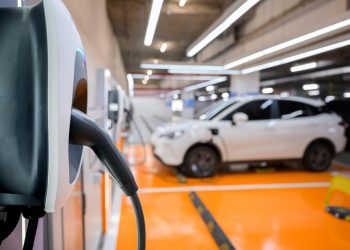
Electric vehicles (EVs) have become central to automotive innovation. Advances in lithium-ion batteries and power management systems have made EVs more practical for everyday use.
Advantages of electric vehicles include:
-
Lower operating and maintenance costs
-
Zero tailpipe emissions
-
Smooth and quiet driving performance
Smart Technology and Connected Cars
Software-Defined Automobiles
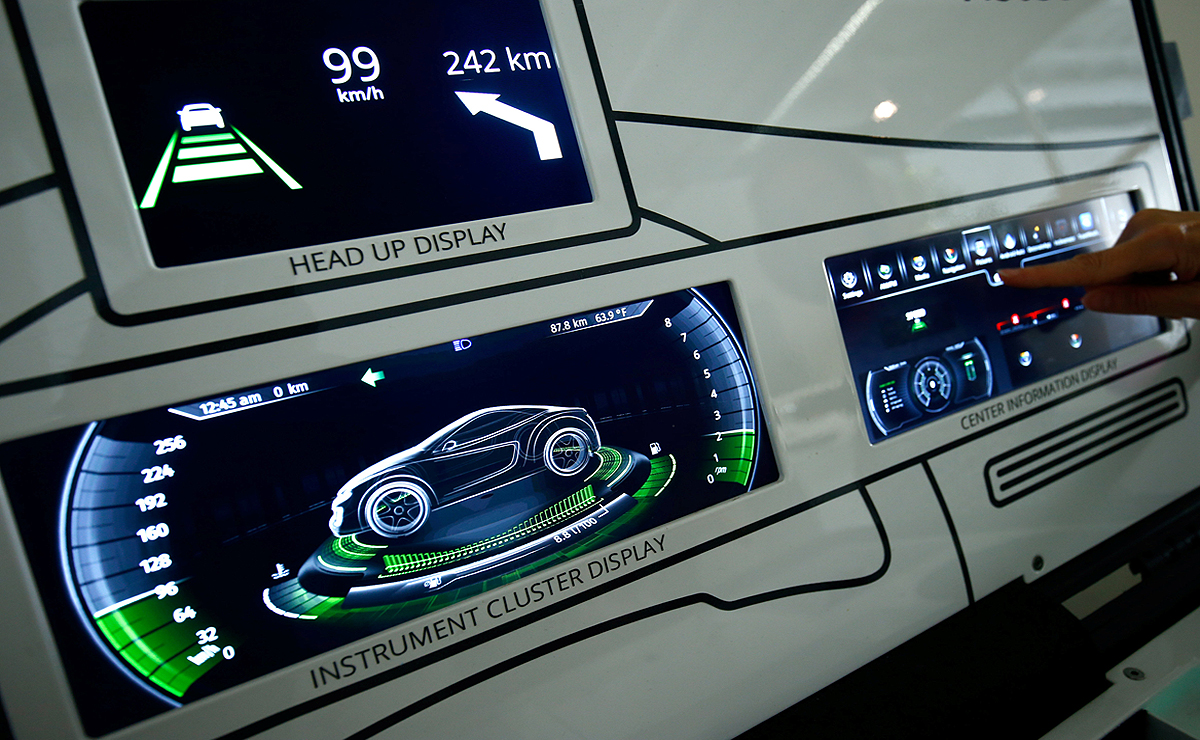
Modern vehicles are increasingly software-driven. Digital systems now control acceleration, braking, navigation, and entertainment. Over-the-air updates allow manufacturers to enhance features and fix issues without requiring dealership visits.
Advanced Driver Assistance Systems
Safety remains a top priority across the industry. ADAS technologies help drivers avoid accidents and reduce fatigue by using sensors, cameras, and radar systems.
Common features include:
-
Adaptive cruise control
-
Lane departure warnings
-
Automatic emergency braking
These technologies serve as foundational steps toward autonomous driving.
Sustainability and Manufacturing Innovation
Eco-Conscious Materials
Automakers are incorporating recycled metals, plant-based fabrics, and lightweight composites to reduce environmental impact and improve efficiency.
Intelligent Manufacturing
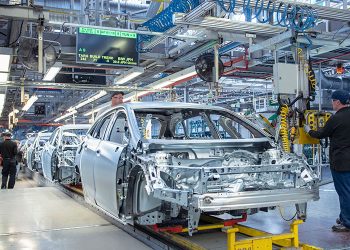
Automation, robotics, and artificial intelligence are transforming production facilities. This shift enables:
-
Faster manufacturing cycles
-
Reduced material waste
-
Higher consistency and quality
The Future of Mobility
Autonomous Driving Development
Self-driving technology is steadily progressing. While fully autonomous vehicles are still under development, partial automation features are already improving traffic safety and convenience.
Changing Ownership Models
Mobility trends are shifting away from traditional ownership, especially in urban areas. Consumers are exploring alternatives such as:
-
Car-sharing services
-
Subscription-based vehicle access
-
Ride-hailing platforms
These models emphasize flexibility and cost efficiency.
Challenges Facing the Auto Industry
Despite innovation, several challenges remain:
-
Battery recycling and material sourcing
-
Cybersecurity threats in connected vehicles
-
Expansion of charging infrastructure
Overcoming these obstacles will shape the next phase of automotive growth.
Frequently Asked Questions (FAQ)
1. How is the auto industry reducing its environmental impact?
Manufacturers are focusing on electrification, lightweight materials, and cleaner production methods to lower emissions.
2. Do electric vehicles perform as well as gas-powered cars?
Yes, EVs often deliver instant torque and smooth acceleration, matching or exceeding traditional performance in many cases.
3. What makes connected cars different from older vehicles?
Connected cars use internet-enabled systems to provide navigation, diagnostics, updates, and enhanced safety features.
4. Are autonomous vehicles legal to use today?
Some regions allow limited autonomous features, but fully self-driving vehicles are still regulated and under testing.
5. How long do electric vehicle batteries last?
Most EV batteries are designed to last 8–15 years, depending on usage and environmental conditions.
6. What is the role of artificial intelligence in modern cars?
AI supports driver assistance, voice commands, predictive maintenance, and smart navigation systems.
7. Will future cars rely less on human drivers?
As automation improves, vehicles will handle more driving tasks, though human oversight will remain important for the foreseeable future.