
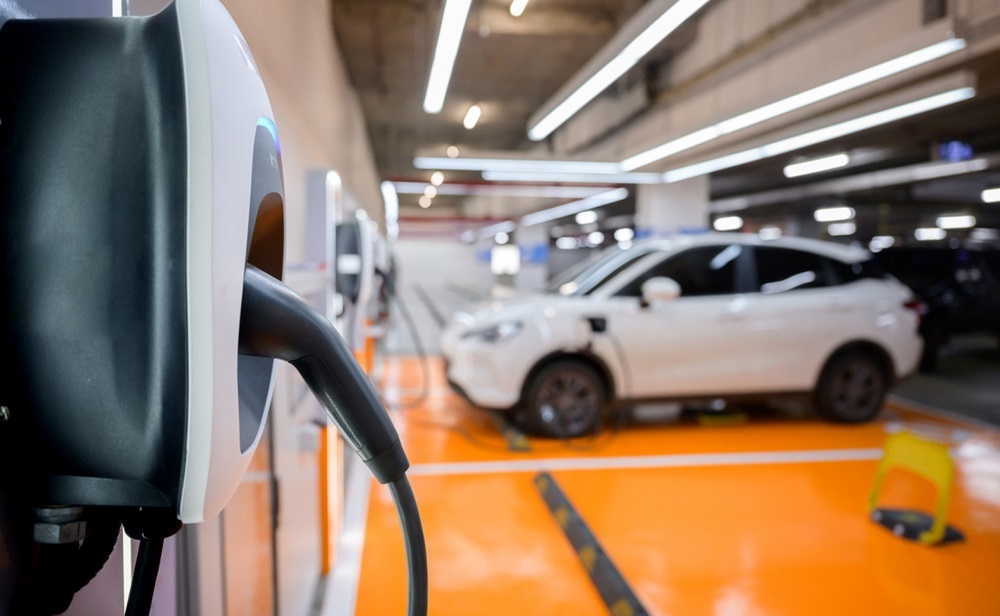
Electric vehicles (EVs) are transforming how people think about mobility and environmental responsibility. As cities expand and transportation demand increases, concerns about air pollution, fuel dependency, and climate impact are driving the shift toward cleaner alternatives. Electric vehicles offer a practical pathway to reduce emissions while improving long-term transportation sustainability.
Today, EV adoption is no longer limited to experimental innovation. It has become a central component of modern strategies aimed at building cleaner and smarter mobility systems worldwide.
Understanding Electric Vehicles in Sustainable Transportation
Electric vehicles operate using electric motors powered by rechargeable batteries instead of conventional internal combustion engines. Because they do not burn fossil fuels during operation, they produce significantly fewer direct emissions.
In sustainable transportation planning, EVs contribute by:
- lowering greenhouse gas emissions
- reducing dependence on petroleum fuels
- improving urban air quality
- supporting renewable energy integration
- encouraging efficient mobility systems
These benefits make EVs a critical element of environmentally responsible transport networks.
Why Sustainable Transportation Matters Today
Transportation systems influence both environmental health and economic stability. Traditional fuel-powered vehicles contribute heavily to pollution and resource depletion.
Sustainable transportation focuses on:
- minimizing environmental damage
- improving energy efficiency
- supporting cleaner cities
- promoting long-term mobility solutions
Electric vehicles help achieve these goals by replacing high-emission travel options with cleaner alternatives.
Environmental Benefits of Electric Vehicles
One of the strongest advantages of EV adoption is their environmental contribution.
Reduced Air Pollution
Electric vehicles produce zero tailpipe emissions, which helps reduce harmful pollutants such as nitrogen oxides and particulate matter in urban areas.
Cleaner air leads to:
- healthier communities
- reduced respiratory risks
- improved living conditions in dense cities
Lower Greenhouse Gas Emissions
When powered by renewable energy sources like solar or wind, EVs significantly reduce overall carbon footprints.
This supports global efforts to address climate change.
Noise Pollution Reduction
Electric motors operate quietly compared to traditional engines. Reduced noise improves urban environments and enhances quality of life in residential areas.
Energy Efficiency Advantages of Electric Vehicles
Electric vehicles convert energy more efficiently than fuel-powered vehicles.
Key efficiency benefits include:
- higher energy conversion rates
- reduced fuel consumption costs
- improved performance consistency
- less energy loss during operation
These advantages support sustainable transportation systems that prioritize resource conservation.
Supporting Renewable Energy Integration
Electric vehicles can work alongside renewable energy systems to create cleaner mobility ecosystems.
Examples include:
- charging vehicles using solar-powered stations
- storing surplus renewable electricity in EV batteries
- supporting grid stability through smart charging networks
This integration strengthens the connection between transportation and sustainable energy infrastructure.
Economic Benefits of Electric Vehicle Adoption
Beyond environmental advantages, EVs contribute positively to economic development.
Important economic benefits include:
- reduced long-term fuel expenses
- lower maintenance requirements
- growth of clean energy industries
- job creation in battery and charging infrastructure sectors
These factors make EV adoption beneficial for both individuals and national economies.
Expansion of Charging Infrastructure
A strong charging network is essential for widespread EV adoption.
Infrastructure development includes:
- public fast-charging stations
- residential charging solutions
- workplace charging facilities
- highway charging corridors
Improved accessibility increases consumer confidence and encourages wider acceptance of electric mobility.
Role of Government Policies in Promoting EV Adoption
Public policy plays an important role in accelerating sustainable transportation transitions.
Governments support EV growth through:
- infrastructure investment programs
- incentives for clean vehicle purchases
- research funding for battery innovation
- environmental regulations encouraging low-emission mobility
These measures help create favorable conditions for long-term adoption.
Challenges Facing Electric Vehicle Expansion
Despite progress, several challenges still affect EV adoption rates.
Common challenges include:
- limited charging availability in some regions
- battery production costs
- range concerns for long-distance travel
- recycling and disposal of battery materials
Addressing these issues will further strengthen EV integration into transportation systems.
Role of Electric Vehicles in Smart Cities
Electric vehicles support the development of intelligent urban mobility networks.
Smart city transportation systems benefit from EVs through:
- integration with public transit systems
- support for shared mobility services
- improved traffic management solutions
- reduced environmental impact in high-density areas
These improvements help cities become more efficient and sustainable.
Future Innovations Strengthening Electric Mobility
Technological progress continues improving EV performance and accessibility.
Emerging developments include:
- longer battery life cycles
- faster charging technologies
- lightweight vehicle materials
- vehicle-to-grid energy interaction systems
- advanced digital monitoring platforms
These innovations will make electric vehicles even more practical for everyday use.
Conclusion
Electric vehicles play a vital role in building sustainable transportation systems by reducing emissions, improving energy efficiency, and supporting renewable energy integration. As infrastructure expands and technology advances, EV adoption will continue shaping cleaner and smarter mobility solutions for future generations.
Transitioning toward electric mobility is not only an environmental necessity but also an opportunity to create healthier, more resilient transportation networks worldwide.
Frequently Asked Questions (FAQs)
1. How do electric vehicles perform in extreme weather conditions?
Modern EVs include battery management systems that help maintain performance in both hot and cold climates.
2. Are electric vehicles suitable for long-distance travel?
Yes, especially with expanding fast-charging infrastructure that supports highway travel routes.
3. How long do electric vehicle batteries typically last?
Most EV batteries are designed to operate efficiently for many years and thousands of charging cycles before significant degradation occurs.
4. Can electric vehicles be charged at home safely?
Yes, home charging systems are widely used and provide convenient overnight charging options.
5. Do electric vehicles require special maintenance services?
EVs generally require less maintenance because they have fewer moving engine components compared to conventional vehicles.
6. How do electric vehicles contribute to energy independence?
They reduce reliance on imported fossil fuels by using locally generated electricity sources.
7. What role do businesses play in supporting EV adoption?
Businesses contribute by installing workplace charging stations, adopting electric fleets, and investing in sustainable logistics solutions.