Biometric security systems have evolved rapidly over the past two decades, shifting from experimental technologies to mainstream security solutions used in smartphones, airports, banking, and government infrastructure. By relying on unique biological characteristics, biometrics provide a powerful alternative to traditional passwords and PINs, which are often vulnerable to theft, guessing, or phishing.
As cyber threats grow more sophisticated, the future of security is increasingly tied to biometric authentication technologies such as fingerprint recognition, facial scanning, iris detection, and behavioral biometrics. These systems promise stronger identity verification, seamless user experiences, and improved protection against fraud.
Understanding where biometric security is heading requires examining current technologies, emerging innovations, and the challenges that must be addressed in the coming years.
What Are Biometric Security Systems?
Biometric security systems are authentication technologies that verify a person’s identity using unique physiological or behavioral traits. These traits are difficult to replicate or steal, making them highly effective for identity verification.
Common biometric identifiers include:
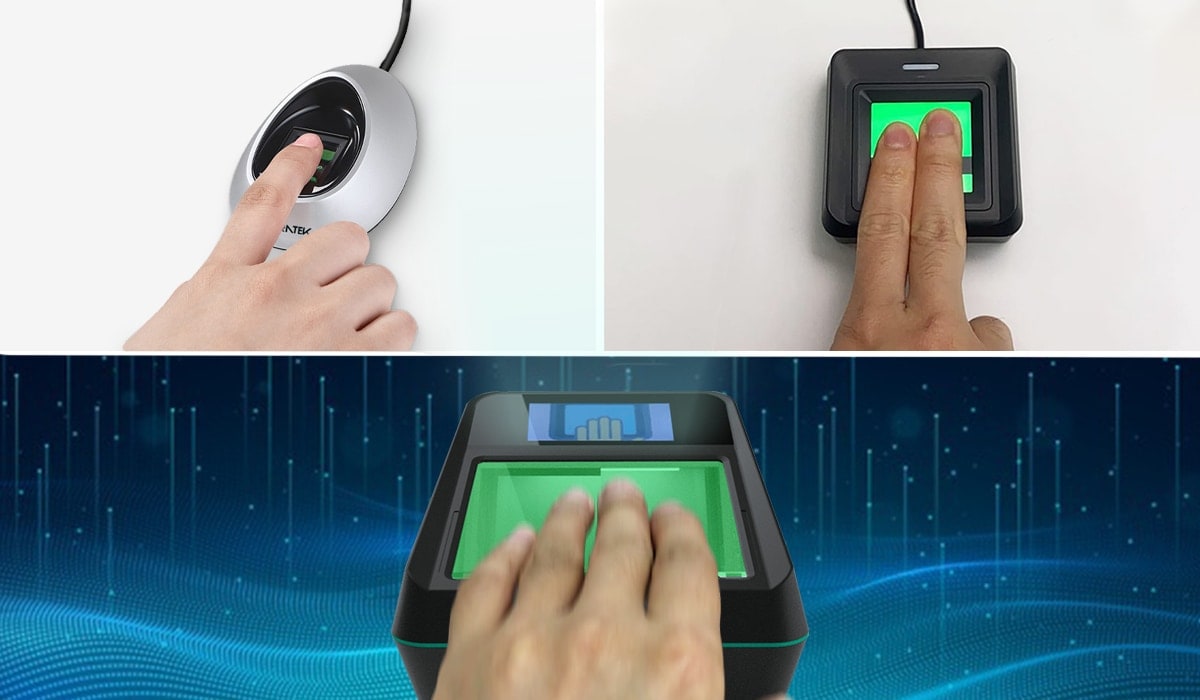
- Fingerprint recognition
- Facial recognition
- Iris and retina scanning
- Voice recognition
- Hand geometry
- Behavioral biometrics (typing patterns, gait, and mouse movements)
Instead of relying on something a user knows (password) or possesses (key or card), biometric systems rely on who the user is.
Why Biometric Security Is Becoming Essential
Traditional authentication methods have major weaknesses. Password breaches, phishing attacks, and stolen credentials are responsible for a large percentage of cyber incidents worldwide.
Biometric systems help address these issues by offering several advantages:
Stronger security
Biometric data is unique to each individual and extremely difficult to duplicate.
Convenience
Users do not need to remember complex passwords or carry physical keys.
Faster authentication
Identity verification often takes only seconds.
Fraud reduction
Financial institutions and governments use biometrics to prevent identity theft and account takeovers.
Because of these benefits, biometrics are becoming a core component of modern digital security infrastructure.
Emerging Biometric Technologies
The future of biometric security will be shaped by innovative technologies that improve accuracy, speed, and privacy protection.
1. Multimodal Biometrics
Multimodal systems combine two or more biometric identifiers to improve security and reduce errors.
Examples include:
- Facial recognition + voice recognition
- Fingerprint + iris scan
- Face + behavioral biometrics
This layered approach makes it significantly harder for attackers to bypass authentication.
2. Behavioral Biometrics
Unlike traditional biometrics that analyze physical traits, behavioral biometrics examine patterns in user behavior.
These may include:
- Typing rhythm
- Mouse movement patterns
- Mobile device interaction
- Walking style (gait recognition)
Because these behaviors are difficult to imitate consistently, they provide continuous authentication without interrupting the user experience.
3. Contactless Biometric Authentication
The COVID-19 pandemic accelerated the demand for touchless authentication technologies.
Contactless biometrics include:
- Facial recognition
- Iris scanning
- Palm vein recognition
- Voice authentication
These technologies are increasingly used in airports, hospitals, and secure facilities where hygiene and speed are critical.
4. AI-Powered Biometric Systems
Artificial intelligence and machine learning are transforming biometric systems by improving:
- Recognition accuracy
- Fraud detection
- Adaptive learning
AI can analyze vast datasets to detect subtle patterns and distinguish between legitimate users and sophisticated spoofing attempts.
5. Biometric Authentication in Consumer Devices
Biometric security is becoming standard in everyday technology.
Future devices may include:
- Continuous facial recognition in smartphones
- Biometric payment authentication
- Smart home biometric locks
- Wearables with biometric identity verification
This integration will make biometrics a default security layer for digital ecosystems.
Applications of Biometric Security in the Future
Biometric technologies are expanding across multiple industries and sectors.
Banking and Financial Services
Banks are increasingly adopting biometrics for:
- Secure mobile banking access
- ATM authentication
- Fraud detection
- Digital identity verification
Border Control and Travel
Airports already use biometrics for:
- Automated passport control
- Facial recognition boarding
- Passenger identification
Future airports may offer fully biometric travel experiences with minimal manual checks.
Healthcare
Biometrics can improve healthcare security by ensuring:
- Accurate patient identification
- Secure access to medical records
- Protection of sensitive healthcare data
Smart Cities
Smart city infrastructure may use biometric systems for:
- Secure access to public services
- Law enforcement identification
- Smart transportation systems
Privacy and Ethical Challenges
Despite its benefits, biometric technology raises important concerns that must be addressed responsibly.
Data Privacy Risks
Biometric information is permanent and sensitive. If compromised, it cannot simply be changed like a password.
Organizations must implement:
- Strong encryption
- Secure storage systems
- Strict access controls
Surveillance Concerns
Facial recognition technologies have sparked debates about mass surveillance and civil liberties. Regulations will play a key role in determining how biometric systems are deployed.
Bias and Accuracy Issues
Some biometric algorithms have historically shown accuracy differences across demographics. Improving fairness and reducing algorithmic bias will remain a critical focus for developers.
The Role of Regulations and Standards
Governments and international organizations are working to create frameworks for responsible biometric use.
Key regulatory priorities include:
- Data protection standards
- Transparency requirements
- Ethical AI guidelines
- User consent policies
Stronger regulations will help ensure that biometric technologies are deployed securely and ethically.
The Future Outlook
Biometric security systems are poised to become one of the most important pillars of digital identity in the coming decades.
Key trends shaping the future include:
- Integration with AI-driven identity systems
- Widespread adoption of multimodal biometrics
- Increased use of behavioral authentication
- Development of privacy-preserving biometric technologies
As cybersecurity threats continue to evolve, biometrics will play a vital role in creating frictionless yet highly secure authentication systems.
Frequently Asked Questions (FAQs)
1. Are biometric security systems safer than passwords?
Yes. Biometric systems rely on unique physical or behavioral traits, making them significantly harder to steal or replicate compared to passwords.
2. Can biometric data be hacked?
While biometric systems themselves can be targeted, strong encryption, secure storage, and advanced authentication protocols greatly reduce the risk.
3. What is multimodal biometric authentication?
Multimodal biometrics combine multiple biometric identifiers—such as fingerprint and facial recognition—to improve accuracy and security.
4. What industries benefit most from biometric security?
Industries such as banking, healthcare, travel, government services, and consumer technology benefit significantly from biometric authentication.
5. What are behavioral biometrics?
Behavioral biometrics analyze patterns in how users interact with devices, such as typing speed, mouse movements, or touchscreen behavior.
6. Will biometric security replace passwords completely?
Passwords may not disappear entirely, but biometrics will increasingly replace them in many applications due to better security and convenience.
7. Are biometric systems affected by privacy concerns?
Yes. Issues such as surveillance, data protection, and algorithmic bias are major considerations that governments and organizations must address responsibly.