
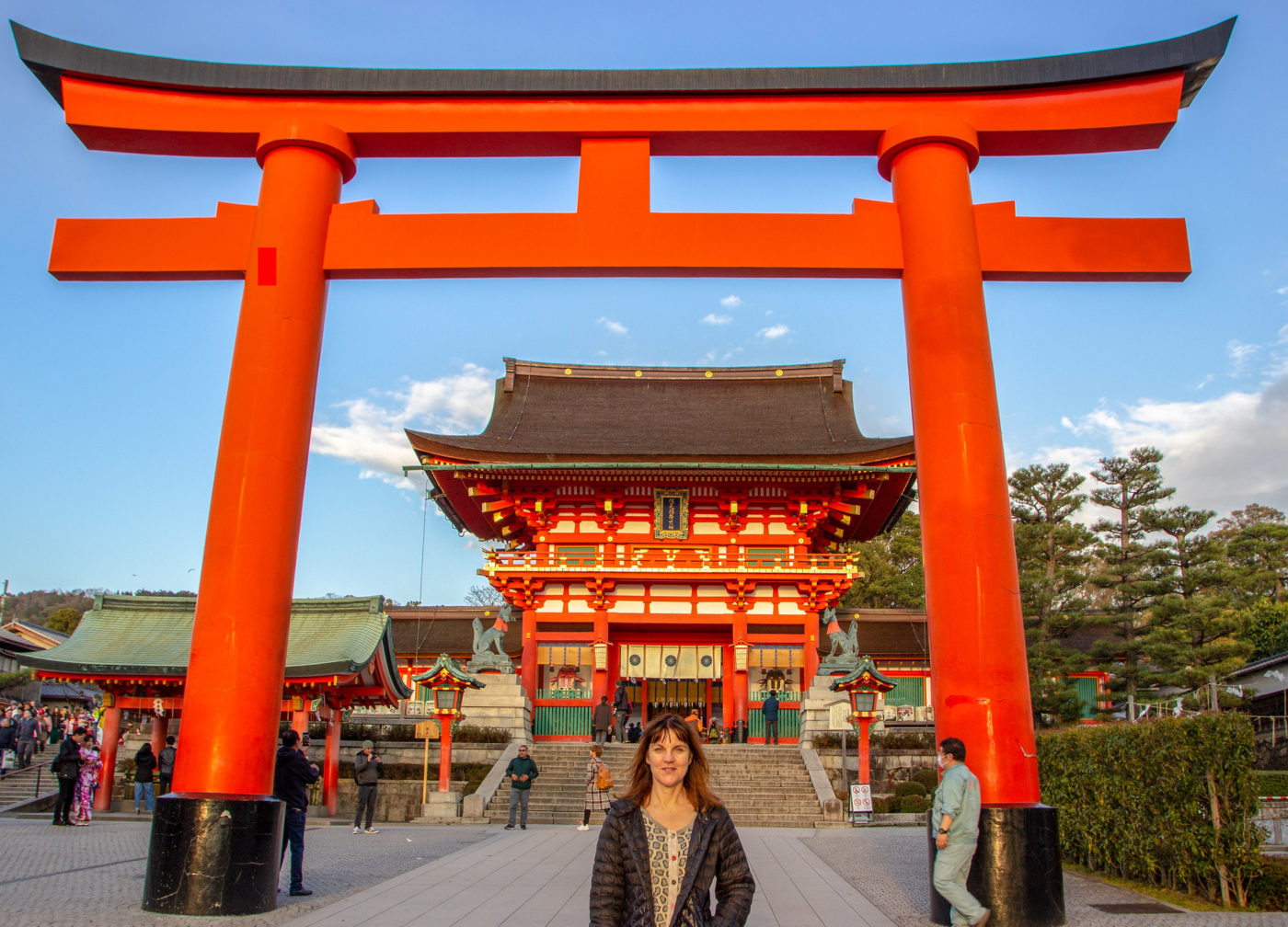
Japan is a country where ancient traditions coexist seamlessly with cutting-edge modernity. From quiet mountain villages to neon-lit cityscapes, it offers travelers a deeply layered experience that feels both accessible and endlessly intriguing. Whether you are drawn by food, history, technology, or nature, Japan rewards curiosity and respect in equal measure.
Why Japan Is a Standout Travel Destination
Japan’s appeal goes beyond iconic landmarks. What truly sets it apart is the attention to detail in everyday life, from immaculate streets to punctual transport and warm hospitality.
Key reasons travelers fall in love with Japan include:
-
Exceptionally safe and clean cities
-
Reliable public transportation
-
Distinct regional cultures within a compact geography
-
A balance of calm spiritual spaces and energetic urban life
Best Time to Visit Japan
Choosing the right season can shape your entire experience. Japan has four distinct seasons, each offering something unique.
Spring (March–May)
Spring is famous for cherry blossom season, when parks and riversides transform into pastel dreamscapes. Weather is mild, making it ideal for walking-heavy itineraries.
Autumn (September–November)
Autumn brings cooler air and dramatic foliage, especially in Kyoto and the Japanese Alps. It’s often considered the most comfortable season for sightseeing.
Summer and Winter Considerations
-
Summer is vibrant but hot and humid, with festivals and fireworks.
-
Winter is perfect for snow lovers, particularly in Hokkaido and alpine regions.
Must-Visit Places for First-Time Travelers
Japan offers an impressive range of destinations that cater to different travel styles.
Tokyo: The Pulse of Modern Japan
Tokyo is a city of neighborhoods, each with its own personality. One moment you’re in a serene shrine, the next in a bustling shopping district.
Highlights include:
-
Shibuya and Shinjuku for nightlife and energy
-
Asakusa for traditional temples
-
Harajuku for youth culture and fashion
Kyoto: Timeless and Cultural
Kyoto is the spiritual heart of Japan, known for temples, gardens, and geisha districts. It’s slower-paced and deeply atmospheric.
Osaka: Food and Friendly Vibes
Osaka is celebrated for its casual, welcoming atmosphere and legendary street food, making it a favorite among relaxed travelers.
Getting Around Japan Efficiently
Japan’s transportation system is one of the best in the world. Trains are clean, fast, and remarkably punctual.
Travel tips:
-
Use an IC card for local transport
-
Consider regional rail passes if staying longer
-
Stations are well-marked in English in major cities
Cultural Etiquette Travelers Should Know
Understanding a few customs goes a long way in Japan.
-
Bowing is a common form of greeting
-
Quiet behavior is expected on public transport
-
Shoes are removed in homes, temples, and some restaurants
-
Cash is still widely used despite modern infrastructure
Respecting these norms enhances interactions and helps travelers feel more connected.
Food Experiences You Shouldn’t Miss
Japanese cuisine is far more than sushi. Each region offers distinct flavors rooted in local ingredients.
Popular experiences include:
-
Ramen shops with regional styles
-
Traditional multi-course meals
-
Fresh seafood markets
-
Simple convenience-store meals that surprise in quality
Practical Tips for a Smooth Trip
Planning ahead makes Japan feel effortless.
-
Learn a few basic Japanese phrases
-
Carry a small bag for trash, as bins are limited
-
Stay connected with a local SIM or pocket Wi-Fi
-
Book accommodations early during peak seasons
Frequently Asked Questions
Is Japan suitable for solo travelers?
Yes, Japan is widely regarded as one of the safest and most solo-friendly destinations in the world.
How expensive is traveling in Japan?
Costs vary by region, but smart planning and public transport make it manageable for mid-range budgets.
Do I need to speak Japanese to travel comfortably?
No, but learning basic phrases improves interactions and shows respect.
How long should a first trip to Japan be?
A 10–14 day trip allows time to explore both major cities and cultural regions without rushing.
Are credit cards widely accepted?
Major cities accept cards, but rural areas and small shops often prefer cash.
What type of accommodation is best for first-time visitors?
Business hotels, ryokan, and modern guesthouses all offer comfort and convenience.
Is Japan family-friendly for travel?
Yes, Japan is clean, safe, and offers excellent infrastructure for families with children.