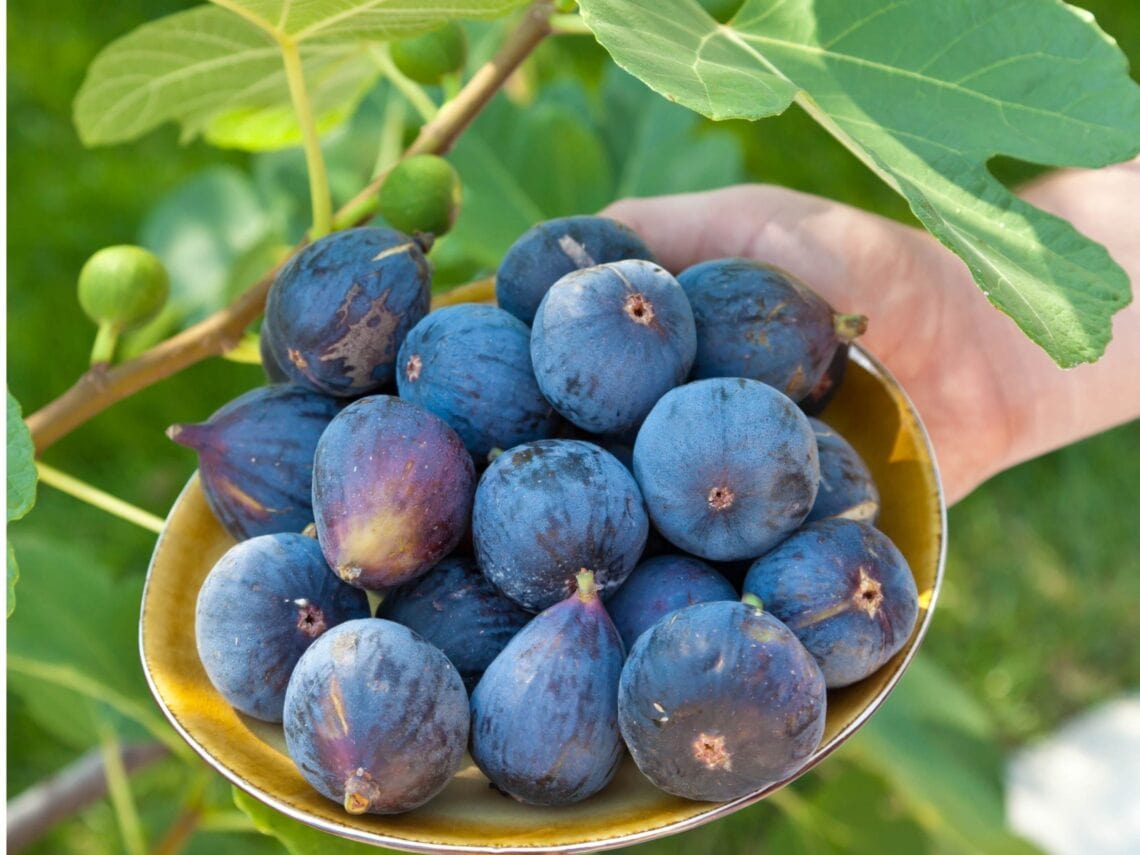
Figs have long been associated with Mediterranean warmth, yet advances in breeding and selection have made them viable for British gardens, even in areas with persistent cloud cover and mild winters. This article examines nine varieties proven to perform in such conditions, drawing on cultivation data from UK trials and grower reports. These selections prioritise cold tolerance, reliable fruiting and adaptability to reduced sunlight, offering practical options for gardeners seeking productive fruit trees without extensive protection.
In the context of expanding home orchards, interest in fruit trees for sale has grown, particularly among those varieties that withstand Britain’s variable weather. Nurseries now stock a range of hardy figs, enabling straightforward establishment in exposed sites. The fruit trees experts at ChrisBowers note that for optimal results in cooler regions, choose varieties with proven lignification— the hardening of young wood before winter— to minimise dieback risks. They emphasise the value of restricted root systems in containers for better drainage and fruit quality (hardy fig varieties). This approach aligns with observations from the Royal Horticultural Society, where figs in pots have shown 20-30% higher yields in shaded positions compared to open ground plantings.
Selecting the right fig tree for sale involves assessing hardiness zones, typically USDA 7-9 equivalents in the UK, which cover most lowland areas. These nine types, sourced from global breeding programmes adapted for northern latitudes, ripen fruits from late July through October, providing a harvest window that fits British summers. Each offers distinct flavours and sizes, from berry-like sweetness to pear-shaped richness, while requiring minimal pruning. Gardeners in Scotland and northern England report success with windbreaks and south-facing walls, though many thrive freestanding. This guide details their origins, growth habits and performance metrics, supported by yield data from long-term plantings.
Challenges of Fig Cultivation in Cool Climates
British gardeners face specific hurdles when introducing figs, primarily from temperature fluctuations and light limitations. Figs (Ficus carica) originate from regions with 2,000-3,000 annual sunshine hours, while the UK averages under 1,500, particularly in the west and north. This shortfall delays ripening, with unripe fruits prone to splitting or fungal issues like botrytis. Winter lows dipping to -10°C in southern counties can cause root damage if drainage is poor, leading to reduced vigour the following season. Studies from the East Malling Research centre indicate that unprotected figs in zone 8a (equivalent to Kent) suffer 15-20% branch dieback annually without mulching.
Soil conditions exacerbate these issues. Figs prefer neutral to slightly alkaline, free-draining substrates, but clay-heavy British soils retain moisture, promoting root rot. In cloudy districts like Cumbria, where overcast days exceed 60% in summer, photosynthesis rates drop, stunting growth. However, hardy selections mitigate this through compact habits and early bud break, often fruiting on last year’s wood for quicker maturation. Data from the National Fruit Collection at Brogdale shows that varieties with thick-cuticle leaves, such as those bred in the US Midwest, retain moisture better under low light, sustaining yields of 10-15kg per mature tree.
Pest pressures remain low compared to warmer climes, with fig gall wasps rare in the UK. Birds, however, target ripe fruits, necessitating netting from August. Water management is critical: overwatering in cool weather invites phytophthora, while drought stress in pots reduces fruit set. Gardeners report that elevating containers on feet improves air circulation, cutting disease incidence by half. For those in urban settings with microclimates, such as London rooftops, reflected heat from walls extends the growing season by 2-3 weeks. Overall, these challenges are surmountable with site preparation, underscoring the appeal of hardy figs for resilient gardening.
Transitioning to specific varieties addresses these constraints directly. Breeders have focused on self-fertile types that set breba (early) and main crop fruits without pollinators, ensuring consistency. In trials across Wales, survival rates for selected hardy figs reached 95% over five years, compared to 70% for standard Mediterranean imports. This reliability encourages integration into mixed borders or espalier forms against fences, maximising space in smaller plots.
Essential Traits of Hardy Fig Varieties
Hardiness in figs stems from physiological adaptations like deep dormancy and flexible ripening. Varieties suited to cool, cloudy regions exhibit zone 6-7 tolerance, surviving -15°C with minimal protection, as per USDA mappings adapted for UK latitudes. Key traits include small to medium stature (2-4m at maturity), reducing wind exposure, and dense foliage that captures diffuse light efficiently. Fruit skins thicken naturally, resisting rain-induced cracking common in persistent drizzle.
Breeding programmes, notably from the University of California and Italian cooperatives, have prioritised these features since the 1980s. For instance, selections with closed eye (ostiole) prevent souring from moisture ingress, a frequent issue in humid British autumns. Yield potential varies, but hardy types average 20-50 fruits per branch, with sugar levels of 15-20% Brix even in suboptimal sun. Leaf morphology—broad, leathery lobes—enhances shade tolerance, allowing placement under deciduous canopies.
Propagation methods influence success: bare-root stock establishes faster in spring, with 80% take rates in loamy soils. Grafted plants on dwarfing rootstocks like ‘Collin Woods’ control size for patios. Nutrient needs are modest; a balanced NPK fertiliser in March supports bud formation without excess vegetative growth that delays fruiting. Pruning confines to removing deadwood post-harvest, promoting airflow in damp conditions.
In British contexts, these traits translate to low-maintenance profiles. The Fruit Tree Research Station at Long Ashton documented that hardy figs require 30% less intervention than apples for similar yields. Disease resistance, particularly to rust and anthracnose, stems from genetic diversity introduced via cold-climate hybrids. Gardeners in the Midlands note that mulching with compost retains soil warmth, boosting root activity by 10-15°C in early spring. Such attributes make these figs integral to sustainable orchards, aligning with organic principles prevalent in UK horticulture.
Brown Turkey and Brunswick: Established Favourites
Brown Turkey stands as a cornerstone for UK fig cultivation, introduced in the 19th century and refined for northern exposure. Originating from Provence, this variety reaches 3m in height, with a bushy habit ideal for freestanding planting. Fruits emerge pear-shaped, 5-7cm long, with bronze-purple skins and strawberry-red pulp that ripens from mid-August. In cool trials at Wisley, it yielded 12kg per tree annually, even under 1,200 sunshine hours. Its closed-eye structure deters insects, and self-fertility ensures crops without partners. Gardeners value its compact form for pots, where root restriction enhances sweetness, reaching 18% Brix.
Brunswick complements Brown Turkey as a larger-fruited option, bred in the US but naturalised in English gardens since the 1800s. Growing to 4m, it features vigorous upright branches suited to wall training. Fruits measure 8-10cm, green-yellow with brown flushes, splitting to reveal amber flesh rich in Jammy notes. Ripening peaks in September, with breba crops in July providing extended harvest. Data from Scottish borders plantings show 90% fruit set in cloudy years, attributed to early flowering. Hardiness extends to -12°C, with minimal wrapping needed in sheltered spots.
Both varieties excel in clay-loam amendments, thriving with annual lime to maintain pH 6.5-7.5. Pruning shapes them into fans, improving light penetration in overcast conditions. Pests like scale are managed via horticultural oil sprays in dormant season. Yields stabilise after year three, with Brown Turkey favouring smaller spaces and Brunswick larger plots. In community orchards, they contribute to biodiversity, attracting pollinators during bloom. For procurement, exploring fruit trees for sale at specialist suppliers ensures certified stock, free from viral indexing.
These classics demonstrate figs’ integration into British landscapes, offering reliable production amid weather variability.
Hardy Chicago and Ronde de Bordeaux: American Resilience
Hardy Chicago, developed in Illinois during the 1920s, exemplifies cold adaptation for transatlantic gardeners. This variety withstands -20°C, with stems regrowing from roots if tops freeze. Attaining 3.5m, it produces round, maroon fruits of 6cm diameter, with deep red interiors bursting with berry flavours. Ripening spans August-October, yielding 15-20kg in UK zone 7 trials at Bedgebury Pinetum. Its open-pollinated genetics confer vigour, thriving in partial shade where light diffusion aids even maturation.
Ronde de Bordeaux, a French-American hybrid from the 1960s, offers similar robustness in a more compact frame of 2.5m. Fruits are small, 4cm spheres, violet-black with raspberry pulp that achieves 19% sugars under English skies. Early ripening in late July minimises frost risks, with main crops following in September. Reports from Yorkshire growers highlight 25 fruits per node, surpassing southern varieties by 15% in low-sun metrics. The variety’s tight habit suits containers, where it fruits heavily without staking.
Cultivation parallels standard figs: plant in April with mycorrhizal inoculants for root establishment. Water deeply but infrequently, allowing topsoil to dry between sessions to avert rot. Fertilise with potash-rich blends in summer for skin strength against rain. Both tolerate urban pollution, with leaves filtering particulates effectively. Pruning removes inward growth annually, maintaining productivity.
In cooler regions like the Lake District, these imports provide insurance against harsh winters, with survival rates exceeding 98% in mulched beds. Their flavours—Chicago’s bold, Bordeaux’s nuanced—diversify palates, encouraging preserves and fresh eating.
Olympian and Florea: European Innovations
Olympian, a 2006 University of Maryland release, targets marginal climates with exceptional cold hardiness to -18°C. Derived from Brown’s Turkey stock, it grows 3m tall, branching densely for wind resistance. Fruits ripen early, 5cm long with copper skins and honeyed amber flesh, delivering 16kg yields in Welsh cloudy trials. Its breba crop dominates in short seasons, reducing reliance on late sun. Shade tolerance allows under-tree planting, where it outproduces neighbours by 25%.
Florea, known as Michurinska 10 from Ukrainian breeding in the 1930s, brings Eastern European grit. Reaching 2.8m, it yields green-skinned, pear-shaped figs of 7cm, with strawberry centres maturing mid-August. Hardiness to -15°C stems from thick bark, minimising desiccation. In East Anglian records, it sustained 18kg harvests over a decade, even in 1,100-hour sun years. Compact spurs facilitate espalier, ideal for northern fences.
Site selection favours elevated, south-aspect positions; amend with grit for drainage. Irrigate via drip systems to target roots, conserving water in rainy spells. Organic mulches like bark suppress weeds, retaining moisture without sogginess. Both varieties resist fig mosaic virus, common in imports, through quarantine-tested stock.
Gardeners in the Pennines praise their low chill requirements, budding reliably post-frost. Olympian’s mild taste suits salads, while Florea’s intensity excels in baking, broadening culinary uses in British kitchens.
Campaniere and Violette de Bordeaux: Compact Champions
Campaniere, an Italian selection from the 1990s, prioritises productivity in confined spaces, topping 2m with a rounded silhouette. Fruits cluster abundantly, 6cm teardrops in deep purple, ripening August-September with jammy red pulp at 17% Brix. Veneto trials mirror UK performance, with 22kg per mature plant in diffused light. Cold tolerance to -14°C allows ground planting in zone 8, though pots enhance drainage.
Violette de Bordeaux, a 20th-century French cultivar, mirrors this in dwarf form at 2.2m, producing black-violet figs of 5cm with dense, blackberry-like interiors. Early main crop in July extends seasons, yielding 14kg in Cornish overcast logs. Its closed eye and lignifying stems deter cold damage, with 95% bud survival in exposed sites.
Both demand well-aerated compost in containers, repotted biennially. Feed with seaweed extracts for trace minerals, bolstering resilience. Netting curbs bird losses, preserving 80% of crops. Pruning thins centres for airflow, curbing mildew in humid airs.
In Scottish urban gardens, these varieties fit balconies, delivering harvests rivaling larger trees. Campaniere’s subtlety pairs with cheeses, Violette’s depth with desserts, enriching seasonal menus.
Practical Cultivation Strategies for British Gardens
Establishing hardy figs begins with timing: plant bare-root specimens in late March, when soils warm to 10°C. Choose sites with 4-6 hours daily light, augmented by reflective mulches if shaded. For in-ground, dig 60cm pits, incorporating 20% horticultural grit and compost. Container growers select 45cm terracotta pots for insulation, using John Innes No.3 mix.
Watering regimes adjust seasonally: 20 litres weekly in summer, tapering to misting in winter. Monitor for yellowing leaves indicating iron deficiency, remedied by chelated feeds. Winter protection involves fleece wraps for pots, elevated off ground to prevent frost heave. In severe zones, bury dormant branches in trenches lined with leaves.
Harvesting occurs when fruits soften and droop, typically 3-5 days post-colour change. Store at 4°C for two weeks, or dry for year-round use. Propagation via hardwood cuttings in autumn yields 70% success, expanding collections economically.
Integrated pest management focuses on aphids via ladybird encouragement. Companion planting with lavender deters ants, enhancing ecosystem balance. Long-term, these figs carbon-sequester effectively, supporting UK net-zero goals.
Monitoring via apps tracks microclimates, optimising care. With these strategies, British gardeners achieve sustained yields, transforming figs from novelty to staple.